
Creating a Dialogue Between Art and Interior Design
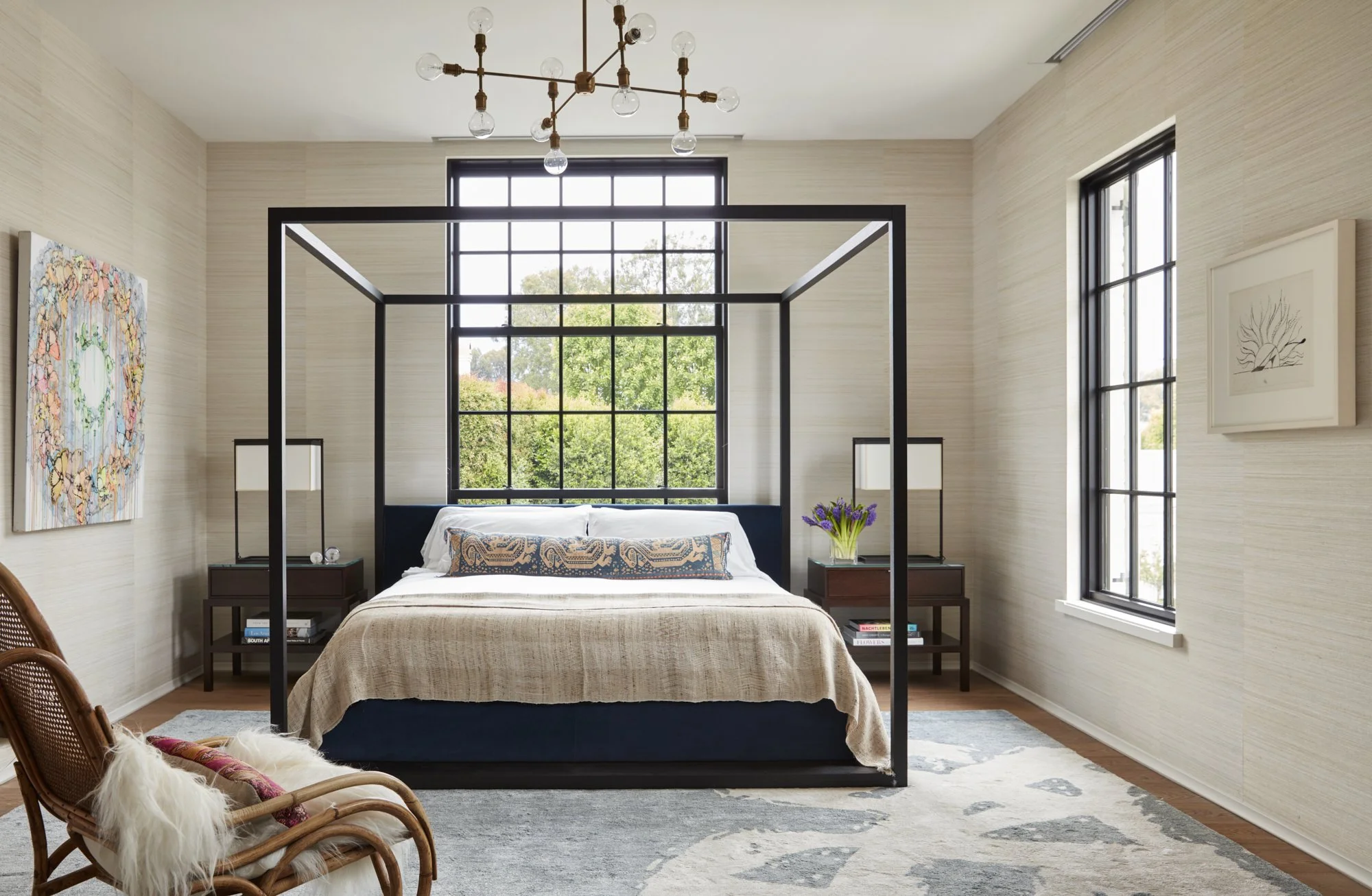
The most compelling interiors are highly curated. Everything matters. Every architectural detail, material, furnishing, and work of art contributes to a larger visual narrative. When these elements are considered together, a home gains depth, character, and a distinct sense of elegance.
Art should never feel like an afterthought or something selected merely to fill an empty wall. It should create a dialogue with the interior, sometimes harmonious, sometimes unexpected, but always intentional. Interior designers should be able to create that.
Art as an Integral Part of the Interior
A meaningful relationship between art and interior design begins early in the creative process. Rather than completing a room and searching for artwork afterward, designers can consider art alongside the architecture, furniture, lighting, and material palette.
This integrated approach creates opportunities to design spaces around significant works. An existing large painting might influence the proportions of a wall, while a sculpture could determine the flow of an entryway. Custom lighting, architectural niches, and carefully planned sightlines can further enhance how each piece is experienced.
When art is part of the original vision, it feels naturally connected to the space and blends effortlessly. After all, “Details are not the details, they make the design” as Charles Eames once quipped.
Complement Without Matching
Art does not need to match an interior. In fact, the most interesting spaces often balance harmony with contrast.
A contemporary abstract work can bring energy to a traditional room, while a classical portrait may add history and tension to a modern setting. A restrained interior can provide breathing room for a bold work, just as a quiet, tonal piece can soften a richly layered environment.
The objective is not coordination for its own sake. It is to establish a thoughtful relationship between the artwork and its surroundings through color, scale, texture, mood, or contrast.
The Importance of Scale and Placement
Scale is one of the most important considerations when integrating art into an interior. A piece that is too small can feel disconnected from the room, while one that is too large may overwhelm the architecture.
Placement should respond to furniture, ceiling height, wall proportions, and the way people move through the space. Art should also be considered from multiple viewpoints. A piece may be experienced not only from within one room but also through a doorway, across a hallway, or from an adjoining space. These are the visual connections that guide us when the team at MLKSTUDIO is designing a space.
Lighting is just as important
Lighting has a profound effect on how artwork is perceived. Natural light changes throughout the day, revealing different colors, textures, and details. At night, carefully positioned architectural lighting can give the same work an entirely different presence. A successful lighting plan enhances the art without overpowering it. It must also account for glare, shadows, heat, and ultraviolet exposure, particularly when displaying valuable or sensitive works. At MLKSTUDIO, we work with lighting designers well versed in lighting art and sculpture in the correct manner.
A Reflection of the Client and Collector
The strongest interiors reflect the people who inhabit them. Art brings an especially personal dimension to that story because it can express memories, interests, cultural influences, and emotional connections that furnishings alone cannot convey. A thoughtful collection does not need to follow one period, medium, or style. It simply needs to feel authentic. Contemporary works, inherited pieces, photography, sculpture, and objects gathered through travel can coexist beautifully when they are arranged with intention. An interior designer can help create cohesion without diminishing the individuality of each work. Creating a dialogue between art and interior design is ultimately about balance. Architecture provides the framework, furnishings establish function and comfort, and art introduces emotion and perspective. At MLKSTUDIO we consider all three as part of one composition, and as a result feels layered rather than styled, personal rather than prescribed, and collected rather than decorated.